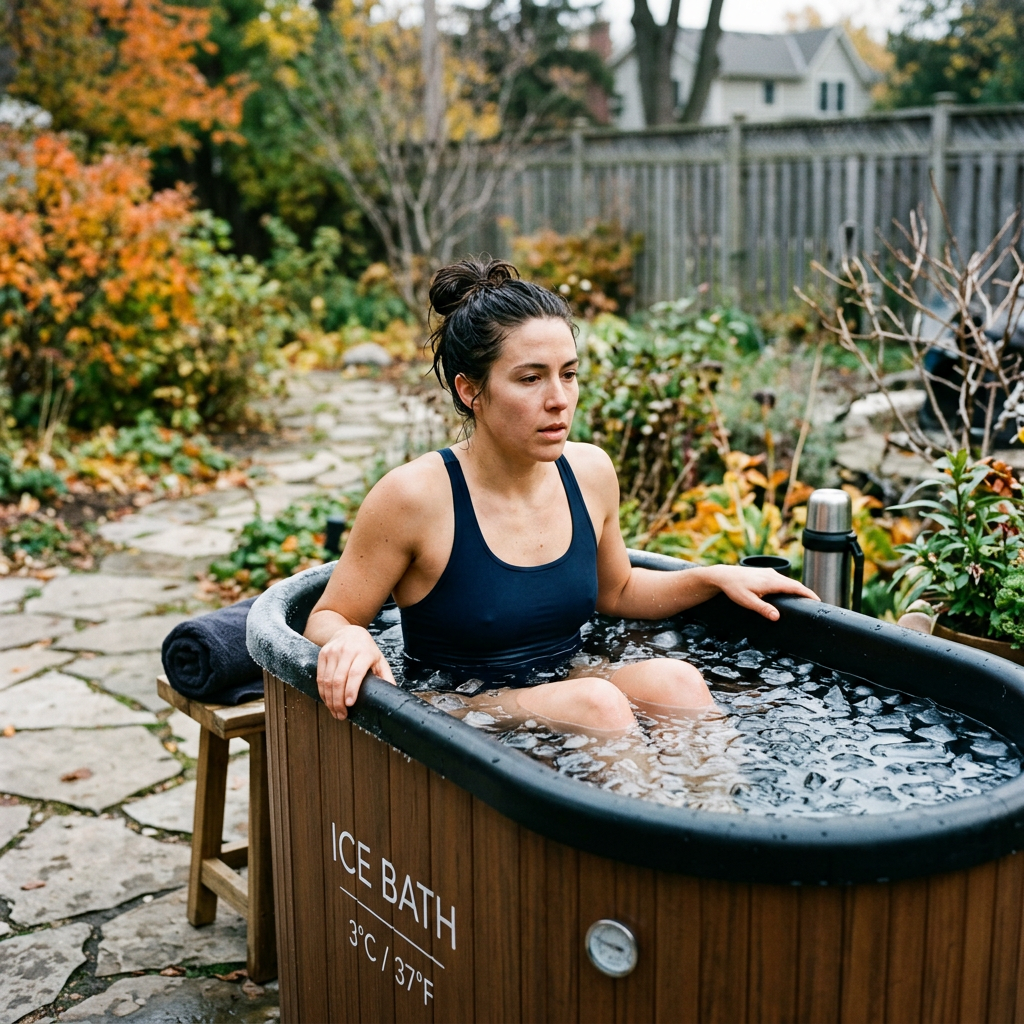
Ice bath therapy, also known as cold-water immersion (CWI), has become one of the most popular recovery methods in sport. From professional athletes to weekend warriors, many use ice baths to reduce soreness, speed recovery, and improve performance. But does the science support these claims?
The answer is more nuanced than a simple yes or no.
The Benefits of Ice Bath Therapy
1. Reduced Muscle Soreness
One of the most well-supported benefits of ice baths is their ability to reduce delayed onset muscle soreness (DOMS) following intense exercise. Research suggests that athletes who use cold-water immersion after training often report lower levels of soreness during the recovery period.
A systematic review by Machado et al. (2016) found that cold-water immersion can be effective in reducing perceived muscle soreness after exercise, particularly in the first 24–96 hours post-training.
2. Improved Perceived Recovery
Athletes frequently report feeling fresher and more recovered after an ice bath. While this doesn’t always translate into measurable physiological improvements, the psychological benefits can be valuable, especially during demanding training blocks or competition schedules.
Placebo effects should not be underestimated in sports performance. If an athlete feels more prepared and confident, that alone may contribute to improved performance outcomes.
3. Reduced Swelling and Inflammation
Cold exposure causes blood vessels to constrict, potentially limiting fluid accumulation and swelling following strenuous exercise. This may be particularly beneficial during tournaments or periods with multiple competitions in a short timeframe.
4. Useful During Competition Periods
For athletes who need to perform repeatedly over several days, reducing soreness and maintaining readiness may be more important than maximizing long-term adaptation. In these situations, ice baths can serve as a practical recovery strategy.
The Downsides of Ice Bath Therapy
1. May Reduce Muscle Growth
While reducing inflammation may sound beneficial, inflammation is also a key part of the body’s adaptation process. Research suggests that regular use of ice baths after strength training may blunt some of the cellular signals responsible for muscle growth.
A landmark study by Roberts et al. (2015) found that cold-water immersion following resistance training reduced long-term gains in muscle mass and strength compared to active recovery.
2. Potentially Impairs Strength Adaptations
Frequent post-exercise cooling may interfere with the body’s natural response to training. Some evidence indicates that athletes seeking maximum improvements in strength, power, and hypertrophy should be cautious about using ice baths immediately after resistance training sessions.
3. Discomfort and Additional Stress
Ice baths are not relaxing for everyone. Cold exposure places stress on the body and can trigger significant cardiovascular and nervous system responses. For some athletes, the recovery cost may outweigh the benefits.
4. Recovery Fundamentals Matter More
Athletes sometimes focus heavily on recovery modalities while neglecting the fundamentals that have a much greater impact on performance:
- Adequate sleep
- Proper nutrition
- Hydration
- Appropriate training load management
No recovery intervention can compensate for deficiencies in these areas.
When Should Athletes Use Ice Baths?
Ice baths may be most beneficial when:
- Competing multiple times within a short period
- Managing high levels of soreness during tournaments
- Prioritizing short-term recovery over long-term adaptation
- Seeking a psychological boost in perceived readiness
When Should Athletes Limit Ice Baths?
Athletes may want to reduce or avoid routine ice bath use when:
- Trying to maximize muscle growth
- In a dedicated strength or hypertrophy phase
- Recovering adequately between training sessions
- Long-term performance development is the primary goal
How to Use Ice Baths Strategically
For most athletes, ice baths should be used as a targeted recovery tool rather than a daily default. A practical starting point is water around 10–15°C building up to over 5-10 minutes, especially after intense conditioning sessions, tournaments, or competitions where short-term recovery is the priority. Beginners should start with shorter exposures and gradually build tolerance instead of forcing long sessions immediately.
Timing also matters. If the goal is to reduce soreness before another performance, using cold-water immersion within the first couple of hours after exercise may be useful. If the goal is muscle growth, strength development, or long-term adaptation, athletes may be better off delaying or skipping ice baths after resistance training sessions.
A simple rule of thumb is to reserve ice baths for the times when feeling ready for the next session matters more than maximizing the training signal from the current session. Athletes should also warm up gradually afterward, avoid using extremely cold water, and seek medical guidance before cold-water immersion if they have cardiovascular, circulation, or other relevant health concerns.
Final Thoughts
Ice bath therapy is neither a miracle recovery tool nor a useless fad. The research suggests it can effectively reduce soreness and improve perceived recovery, making it valuable during competition periods and heavy training schedules.
However, athletes focused on maximizing muscle growth and strength development should think carefully before making ice baths a daily habit. Sometimes the very inflammatory processes athletes are trying to suppress are the same ones that drive adaptation and improvement.
Like most recovery strategies, context matters. The best approach is to use ice baths strategically rather than automatically after every workout.
References
Machado, A. F., Ferreira, P. H., Micheletti, J. K., de Almeida, A. C., Lemes, Í. R., Vanderlei, F. M., & Pastre, C. M. (2016). Can water temperature and immersion time influence the effect of cold water immersion on muscle soreness? A systematic review and meta-analysis. Sports Medicine, 46(4), 503–514.
Roberts, L. A., Raastad, T., Markworth, J. F., Figueiredo, V. C., Egner, I. M., Shield, A., Cameron-Smith, D., Coombes, J. S., & Peake, J. M. (2015). Post-exercise cold water immersion attenuates acute anabolic signalling and long-term adaptations in muscle to strength training. The Journal of Physiology, 593(18), 4285–4301.
Hohenauer, E., Taeymans, J., Baeyens, J. P., Clarys, P., & Clijsen, R. (2015). The effect of post-exercise cryotherapy on recovery characteristics: A systematic review and meta-analysis. PLoS One, 10(9), e0139028.
Tipton, M. J., Collier, N., Massey, H., Corbett, J., & Harper, M. (2017). Cold water immersion: Kill or cure? Experimental Physiology, 102(11), 1335–1355.
 The Untapped Academy
Leave a comment